I HIDE MYSELF WITHIN MY FLOWER (2024-Present)
A black handkerchief in your left back pocket means you possess an interest in heavy S&M as a top. Gray is for bondage, purple for piercing, yellow watersports. Where you place the hanky denotes whether you’d like to give or receive. This extensive code of colors and placements came about in the 1970s so that queer people could signal their proclivities to those in the know. The precise origin of the code is up for debate, but the meanings we know now began to be codified in New York and San Francisco in the 1970s amongst gay men. Now individuals of all genders use it, and it’s only grown more elaborate, enabling queers to flag their often very specific interests when out in a bar or club, without having to speak a word aloud. The resurgence of hanky code amongst young queers inspired this body of work, messages crafted using floral code, a secret language that has been used for centuries, but solidified and common during Victorian times.
Queers throughout history have been creative with their messaging, from Anne Lister’s coded diaries about sexual encounters with women to Oscar Wilde’s green carnations. Emily Dickinson wrote often about flowers and longing, linking the two. Messages concealed from outsiders, from straight folks who see just a bandana in a pocket, or nothing at all. A rose is a rose is a rose, unless it’s a love letter from my queer heart to yours.

We Are Worlds Apart and Still I Hope (Green Roses Bent to the Left and Rose Leaf) 2025
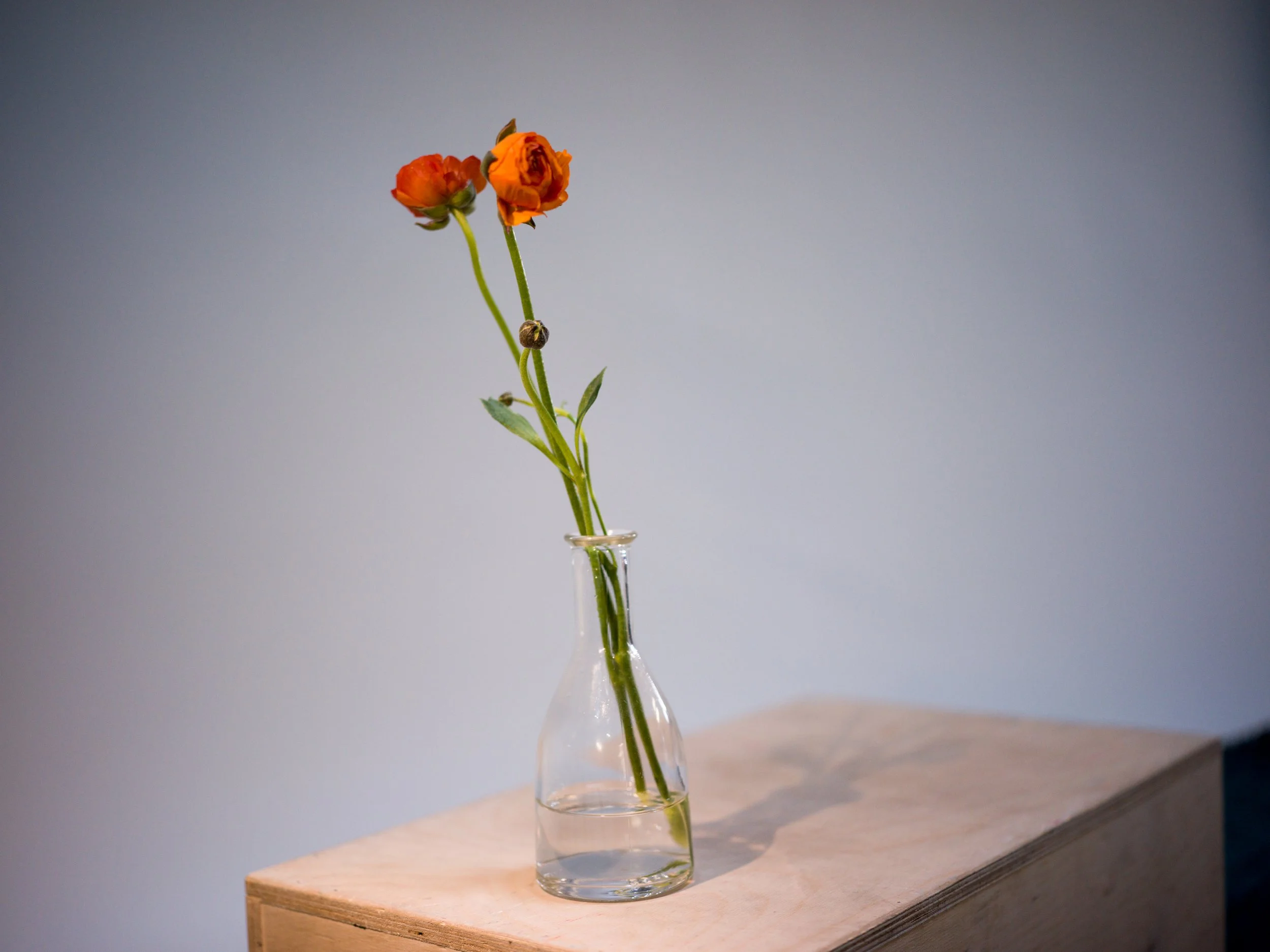
Attracted To You (Ranunculus) 2024

I Do Not Trust You (Striped Carnation and Freesia) 2024

I Do Not Love You (Red and Striped Carnation Woven Together) 2024
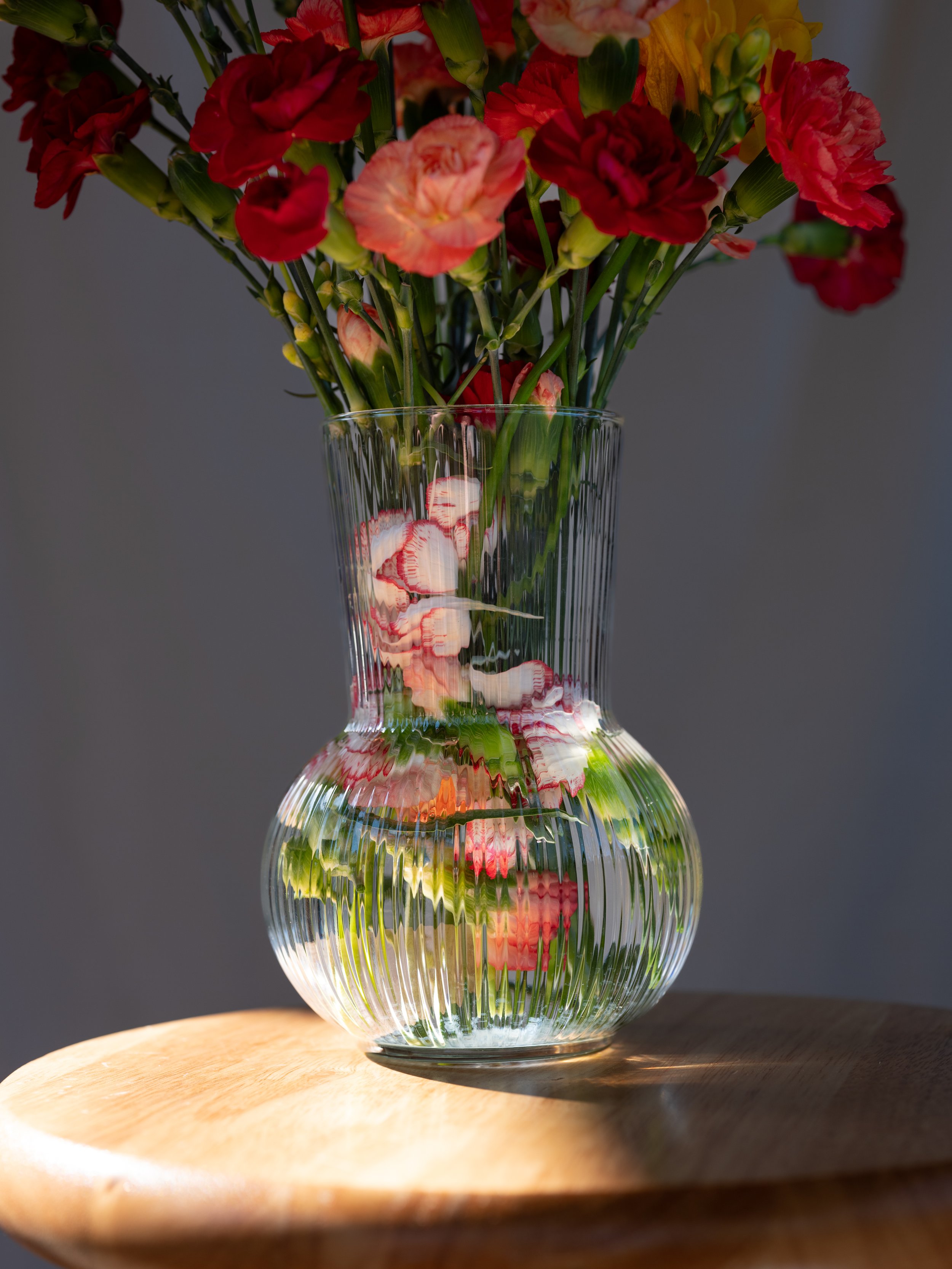
Love, Fascination, Trust / None of That (Red and Peach Carnation, Freesia; Striped Carnation Below) 2024

For a Pure and Homosexual Heart (Baby's Breath and Green Carnation) 2024

Thank You For Understanding My Instability (Hydrangea and Dahlia) 2024

Holding Helpful Knowledge (Parsley in Hand-shaped Vase) 2025

GOOD LUCK (Orange Fruit) 2025
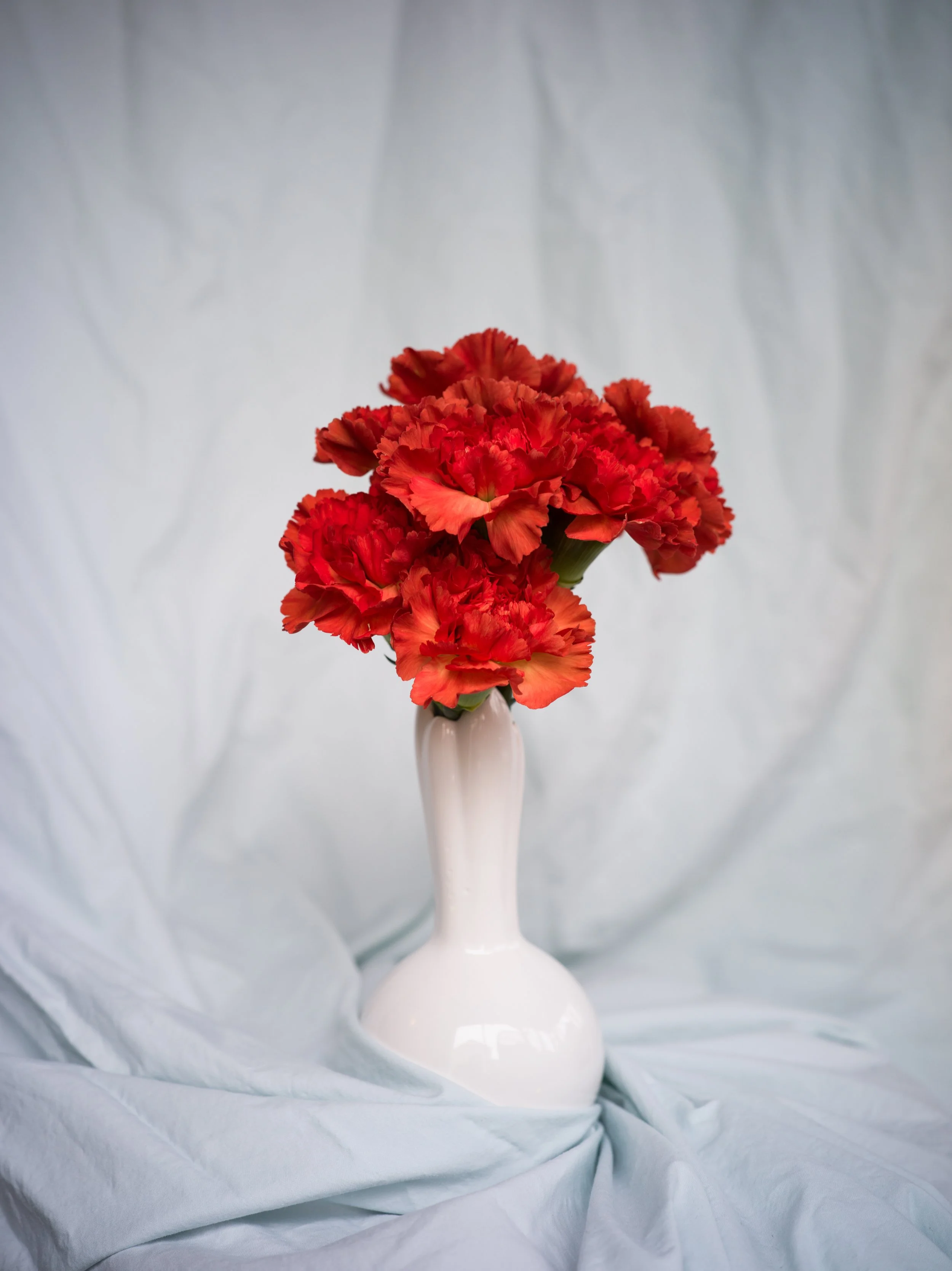
Attention-seeking Behavior (Orange Carnations) 2025

Unquenched Lust (Dill Above Water) 2025
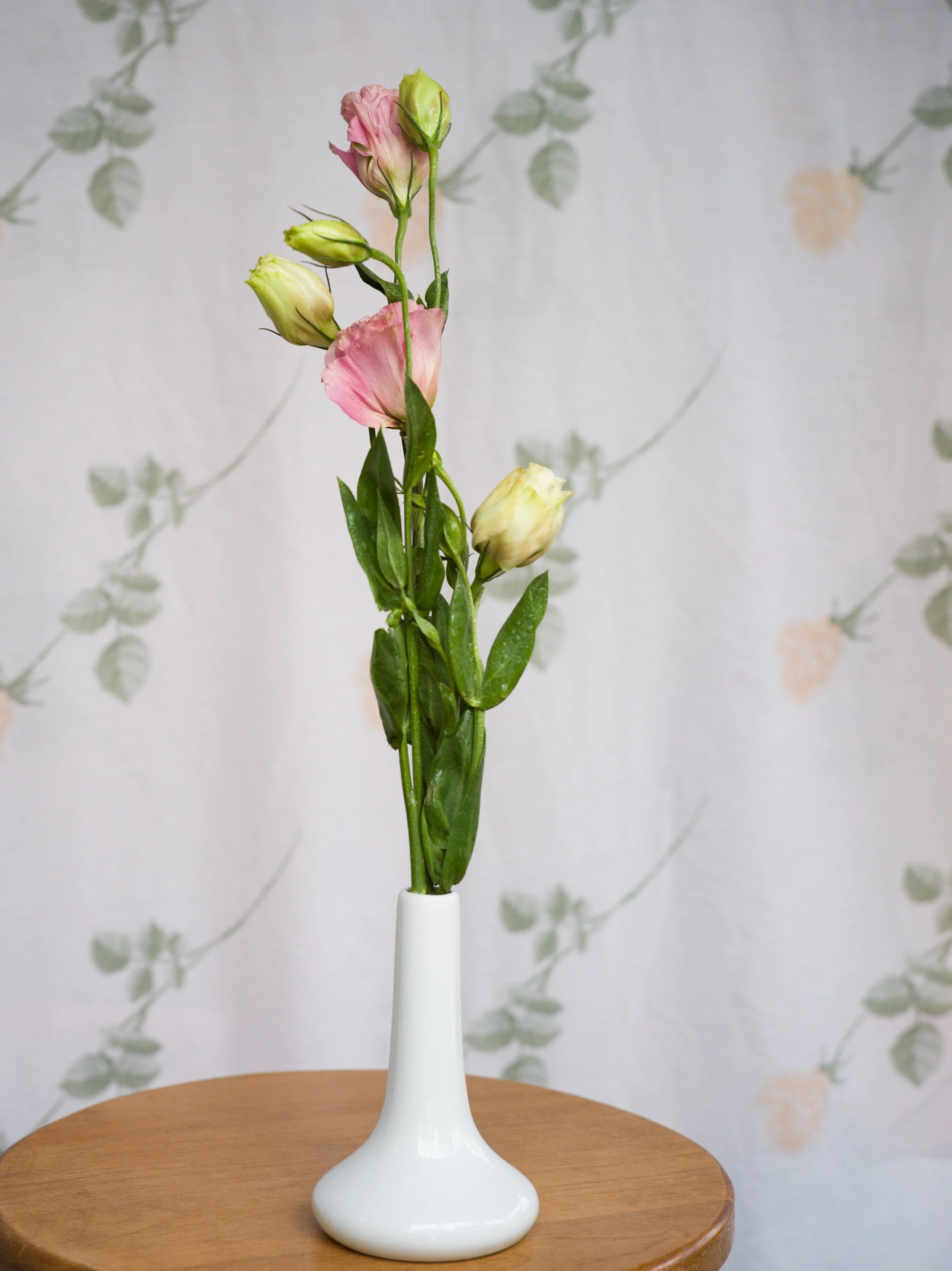
Kind Thoughts Will Not Save Us (Lisianthus) 2025

You Occupy My Thoughts (Pansy) 2024
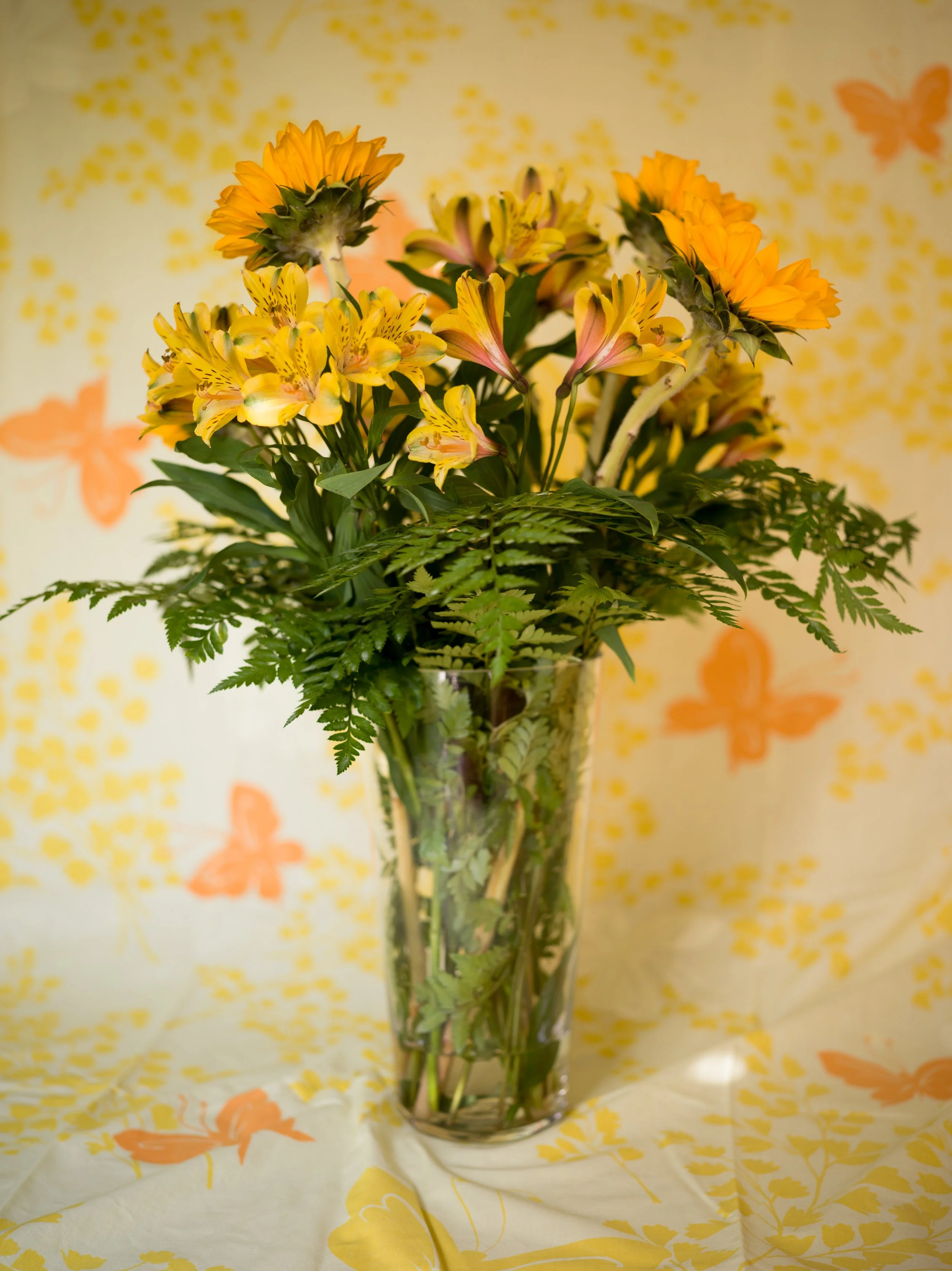
Devotion, Shelter, Perhaps Even Truth (Alstroemeria, Fern, Sunflower) 2025
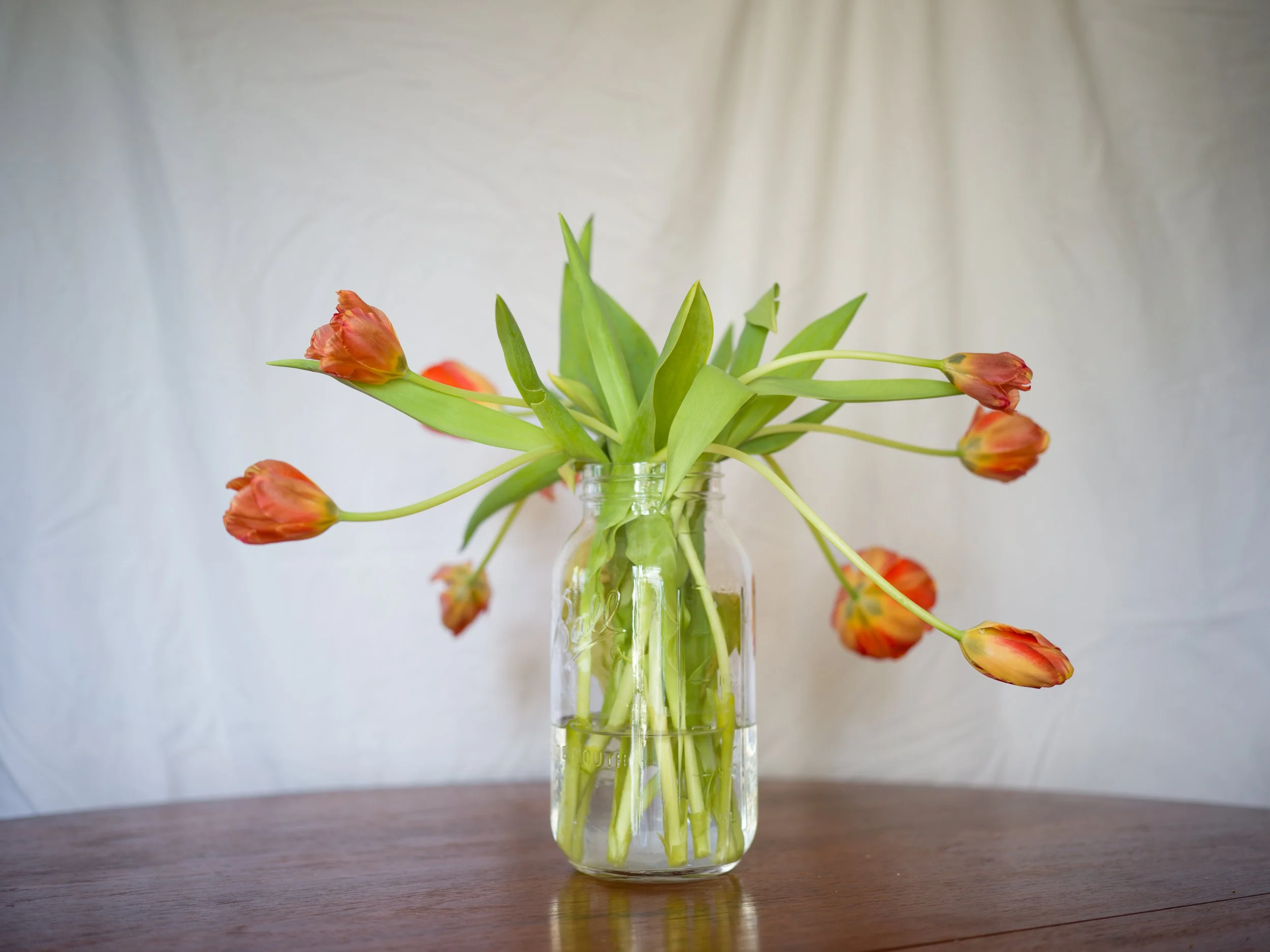
The Sunshine In Your Smile Is Dying (Variegated Tulips, Wilted) 2025
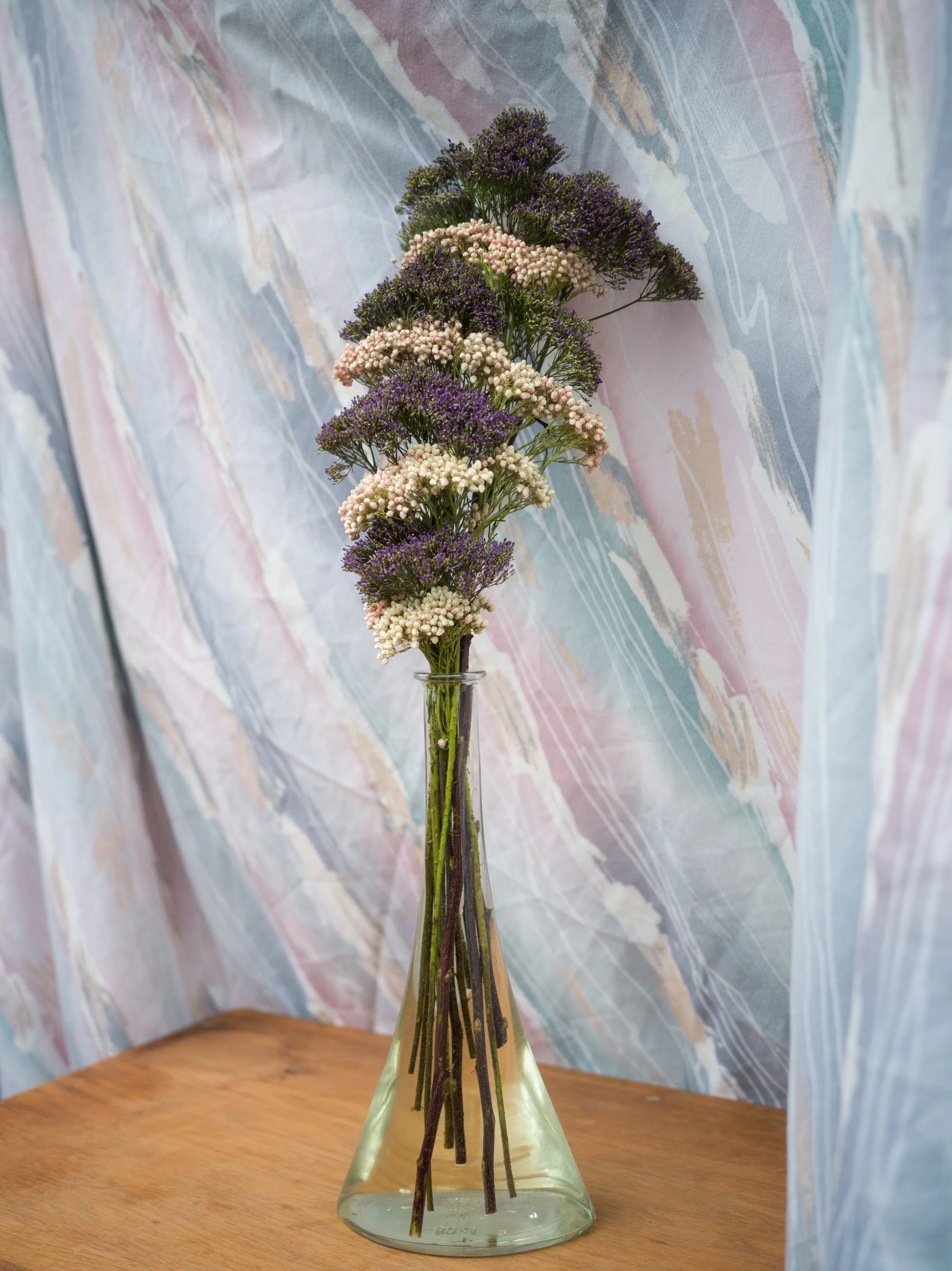
Long-neglected Beauty (Rice Flower and Throatwort) 2025
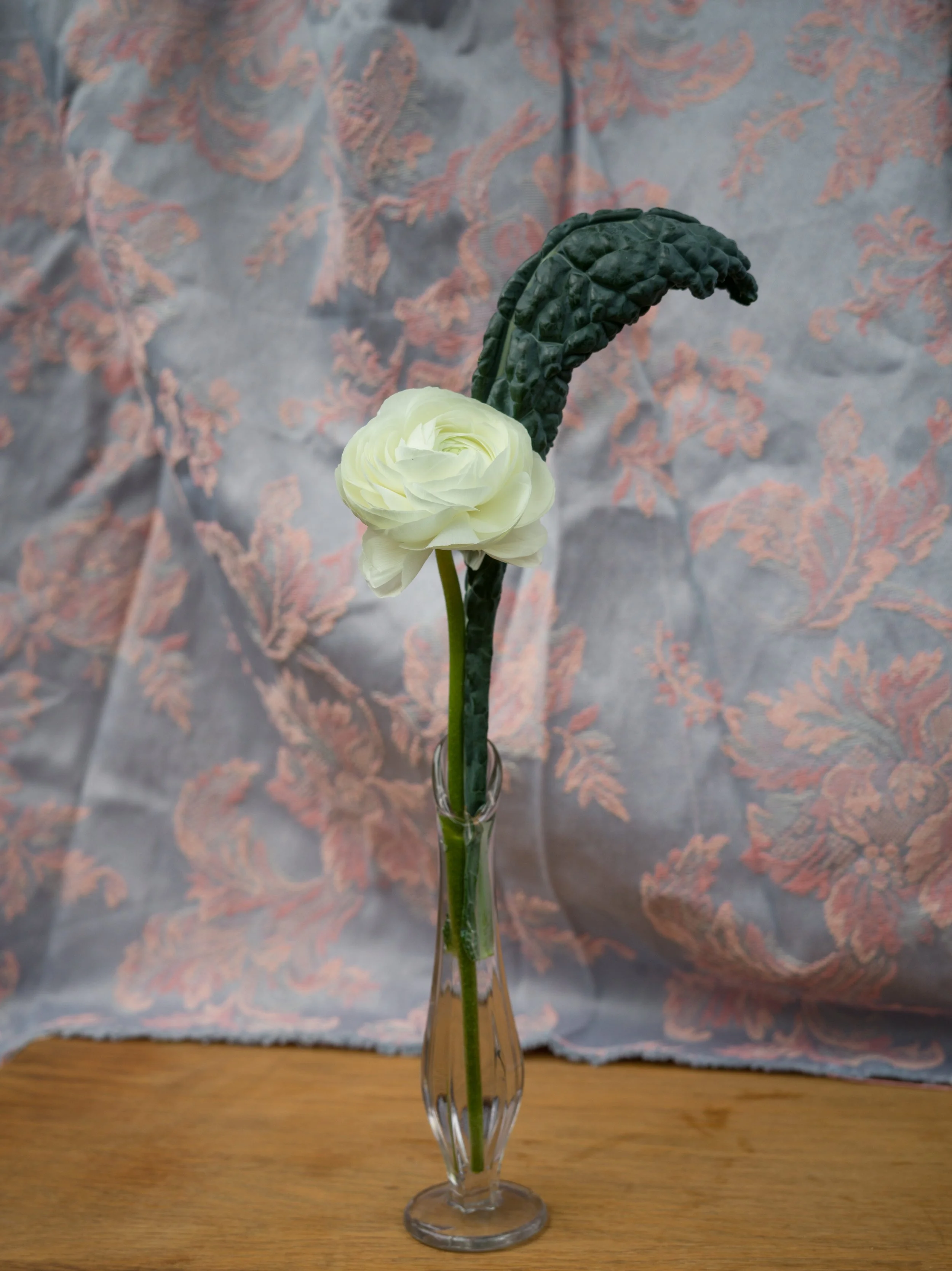
Rich Purely In Charm (Kale and Ranunculus) 2025
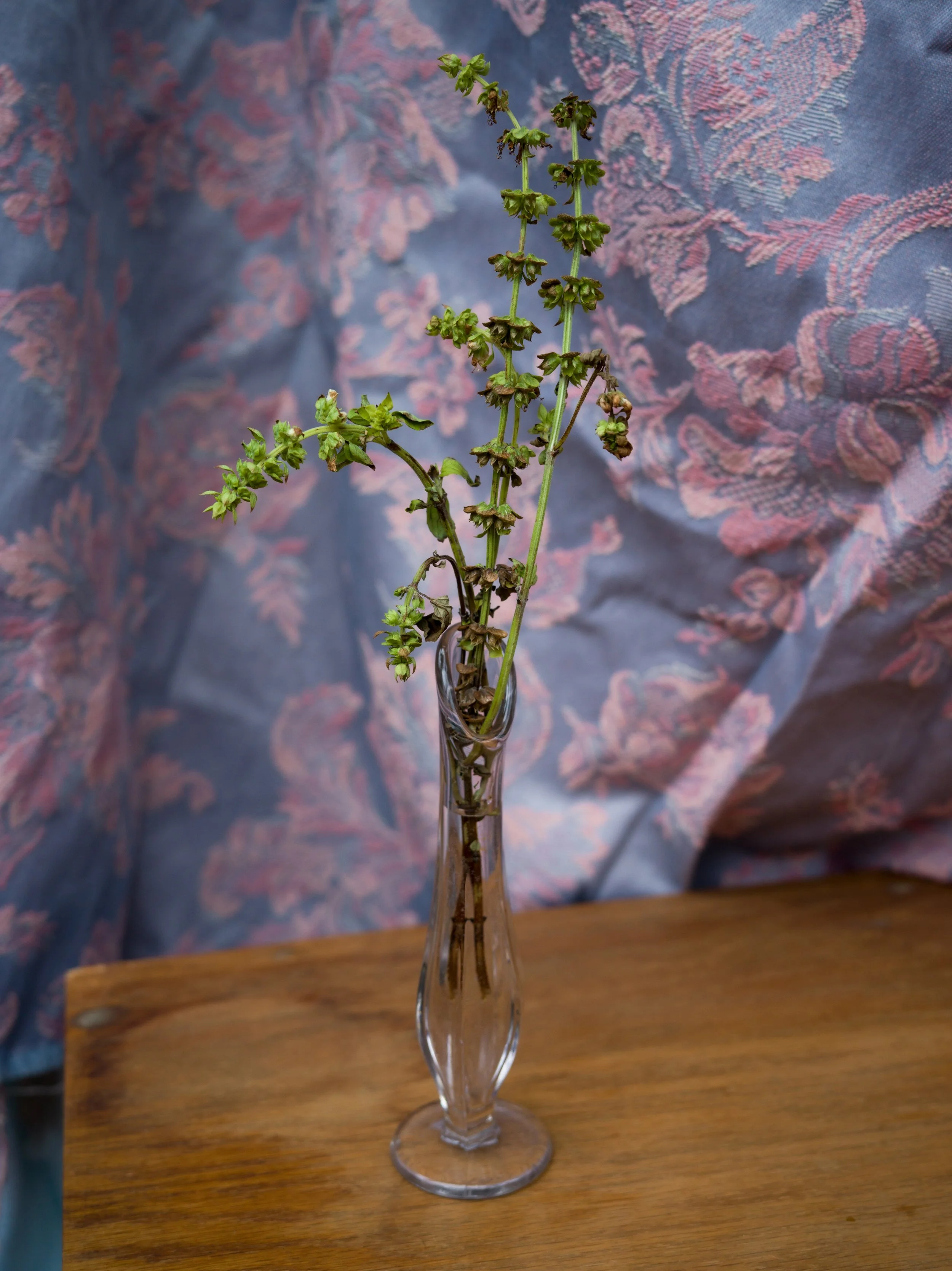
I Hate You, But It May Be Fading (Basil, Flowered and Wilted) 2025

Hope In Misery (Milkweed) 2024

I Think of You and New Beginnings (Blue Salvia and Daisy) 2024